Aphasia Cognitive Impairment Analysis Test: What It Can and Cannot Tell You
Searching for an aphasia cognitive impairment analysis test usually means you are trying to separate two connected questions: is a communication problem mainly language-based, and are broader cognitive skills also affected? That is a sensible question, especially after stroke, brain injury, or a noticeable change in speaking, understanding, reading, or writing. A careful answer requires more than one score. It requires context, language-aware test design, and guidance from qualified clinicians when symptoms are new or significant. An online cognitive testing option can help organize observations and support self-reflection, but it should be treated as educational information, not a medical decision.
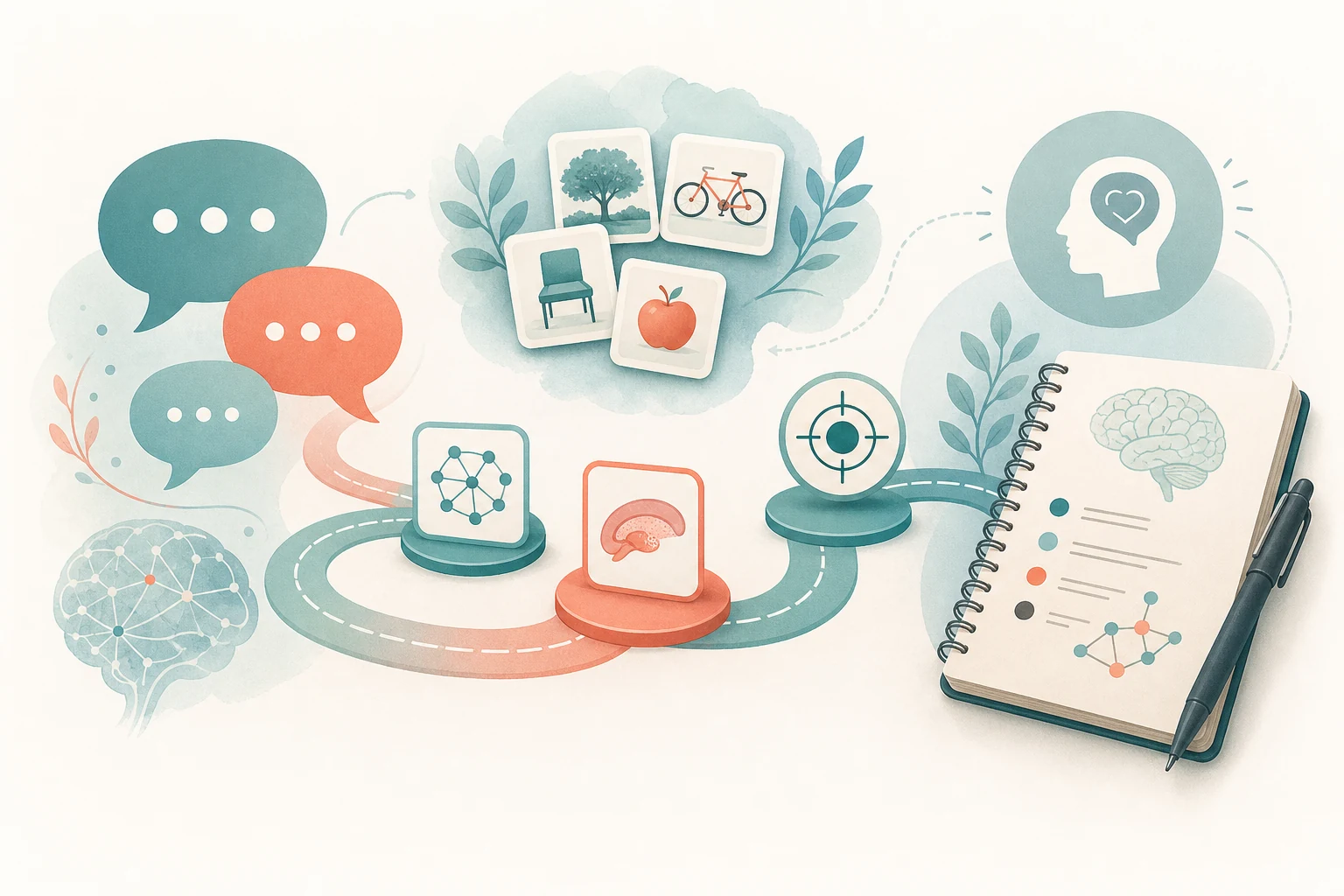
What Aphasia Changes, and Why Cognition Is Hard to Measure
Aphasia is an acquired language difficulty. It can affect spoken expression, understanding speech, reading, writing, naming, repetition, and conversation. Many people associate aphasia only with word-finding, but language reaches into nearly every formal test situation. If a task asks someone to listen to instructions, name objects, repeat a sentence, read a prompt, or explain a strategy, language performance can influence the result.
That is why a cognitive impairment test score in someone with aphasia needs careful interpretation. A low score might reflect attention, memory, executive function, visual scanning, processing speed, or language load. In real life, these factors can overlap. Conversation, planning, topic switching, and repairing misunderstandings all use both language and executive skills.
This does not mean cognitive testing is useless for aphasia. It means the test should be chosen and interpreted with language demands in mind. The fairest approach is a layered plan: language profile, lower-language cognitive tasks, and everyday functioning.
How Aphasia Screening Tests Differ From Cognitive Tests
Aphasia screening tools are usually built to identify language impairment. Common adult aphasia screens look at areas such as comprehension, verbal expression, reading, and writing. Some tools use pictures, yes/no responses, naming tasks, sentence repetition, or short written items. These are valuable because they focus on the communication system itself.
Cognitive tests have a different purpose. They usually sample abilities such as attention, working memory, learning, processing speed, visuospatial reasoning, inhibition, flexibility, planning, and problem solving. Those domains matter in aphasia because communication is not only about words. A person may know the word they want, but struggle to hold a message in mind, shift to another strategy, or monitor whether the listener has understood.
The practical difference is this: an aphasia test asks, "How is language working?" A cognitive test asks, "How are broader thinking skills working?" An aphasia cognitive impairment analysis test sits between those questions and should make the overlap clear.
What an Aphasia Cognitive Impairment Analysis Test Should Look At
A useful analysis does not rely on verbal tasks alone. It should consider several domains and make the language demand of each task visible.
Attention matters because communication requires staying with a speaker, a page, or a task long enough to process meaning. Sustained attention supports reading and listening; selective attention helps when there is background noise; divided attention matters when someone must listen while planning a response.
Working memory matters because a person needs to hold words, ideas, and task steps in mind. In aphasia, a working memory task with spoken instructions may be harder than a visually supported version. That difference can reveal whether the barrier is mainly language load, memory load, or both.
Executive function matters because conversation is goal-directed. People plan what to say, inhibit irrelevant words, shift when a message breaks down, and monitor errors. Executive challenges can make aphasia feel worse in everyday communication, even when basic language skills are improving.
Visual reasoning and nonverbal problem solving can add a helpful counterbalance. Picture-based matching, pattern reasoning, cancellation tasks, sequencing tasks, or everyday problem-solving observations may reduce expressive language demands. They are not language-free, because instructions still matter, but they can lower the burden.
Everyday function matters too. A person may perform differently on a paper task than while making tea, following a schedule, or using a communication notebook. Real-world observation keeps results grounded.
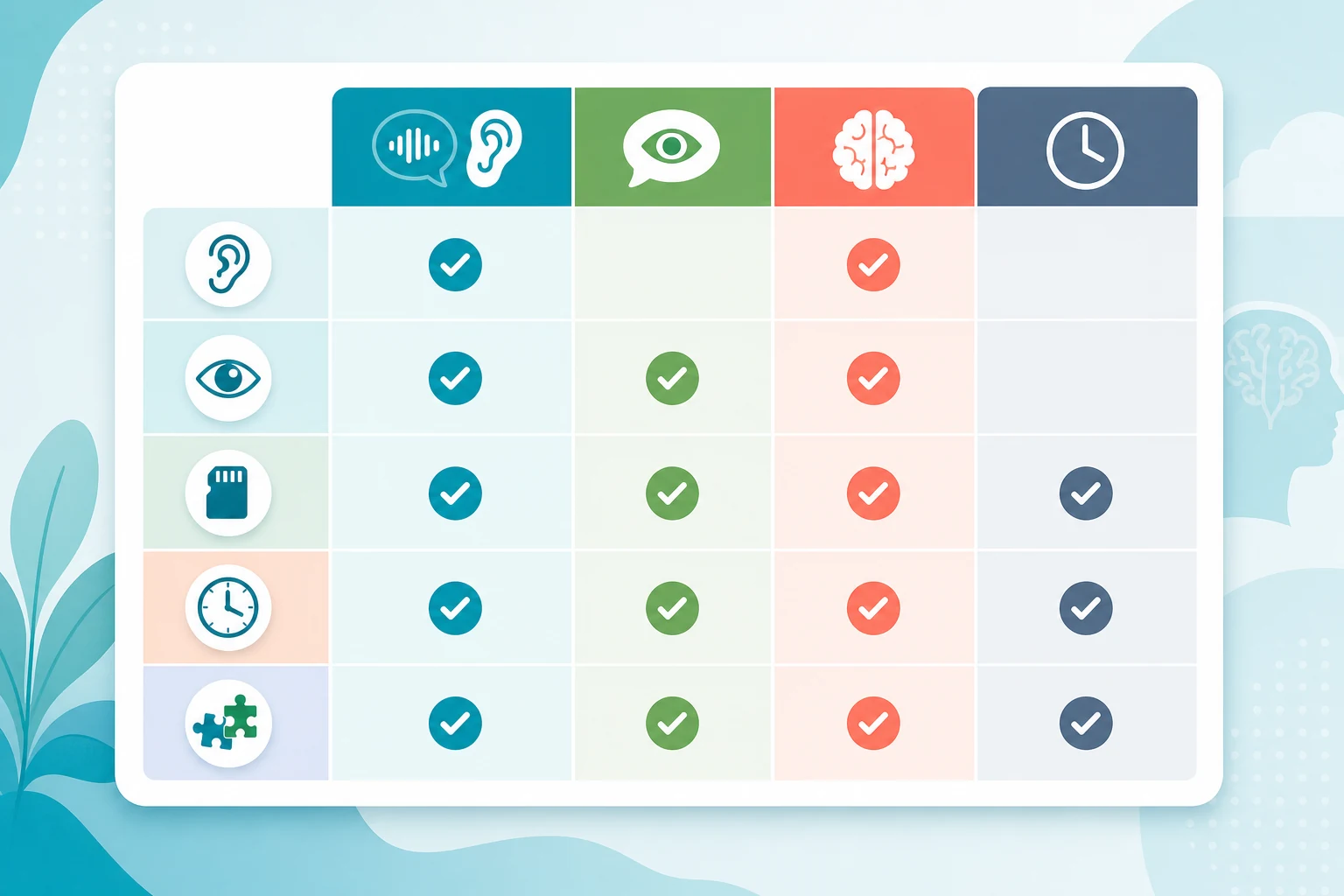
How to Test for Cognitive Impairment When Aphasia Is Present
The safest testing plan starts with the situation. New, sudden, or rapidly changing speech and language symptoms need urgent medical attention because aphasia can be related to stroke or other neurological events. Online tools are not appropriate for emergency triage.
When the situation is stable, a speech-language pathologist, neurologist, neuropsychologist, occupational therapist, or rehabilitation team may combine several information sources. They may review medical history, language profile, hearing and vision factors, fatigue, medication effects, mood, education, primary language, and the person's usual communication style. They may also ask family members what has changed in daily life.
A language-aware cognitive assessment often adapts the format without changing the purpose. Instructions may be shorter. Practice items may confirm understanding. Visual supports may be used. Response options may include pointing, matching, gesture, drawing, or supported choice rather than spoken explanation. Testing may be broken into shorter sessions to reduce fatigue.
For people exploring patterns at home, the goal should be preparation, not a final label. Keep notes about what seems harder: remembering appointments, following multi-step instructions, reading bills, finding words, understanding fast speech, switching tasks, or managing distractions. If you use a broad cognitive profile, compare the results with everyday observations and bring questions to a professional appointment when concerns persist.
Reading a Cognitive Impairment Test Score With Aphasia in Mind
A score is a starting point, not the whole story. In aphasia, interpretation should ask three questions.
First, what did the task require before the cognitive skill could even be measured? A memory task may require understanding spoken words. A reasoning task may require reading. A speeded task may require a motor response. If the entry point is language-heavy, the score may partly reflect language access.
Second, were supports enough to show the person's best ability? Practice trials, repetition of instructions, visual cues, simplified wording, and alternative response formats can make a major difference. The goal is not to make the task easy; it is to make sure the target skill is being sampled fairly.
Third, does the score match daily life? If a person scores low on a verbal memory task but independently remembers a visual routine, the result should be interpreted differently than if memory problems appear across conversation, appointments, and household tasks. The pattern is more useful than a single number.
This is also why online scores should be used gently. They can help people notice strengths and challenges, build a baseline, and create better questions. They cannot replace a complete clinical picture, especially when language impairment, stroke history, or neurological symptoms are involved.
Online Aphasia Cognitive Impairment Analysis Test: Helpful Uses and Limits
An aphasia cognitive impairment analysis test online can be useful when it is framed honestly. It may help a person or caregiver learn cognitive vocabulary, notice patterns, document changes over time, and prepare for a conversation with a clinician. It can also encourage a wider view of cognition beyond memory alone.
The limits are just as important. Most general online cognitive tests are not specifically standardized for people with aphasia. Many rely on written or spoken instructions. Some tasks reward speed, which can be affected by language processing, motor changes, vision, or fatigue. Free online formats may also vary widely in quality, privacy practices, scoring detail, and explanation.
Before using any online tool, look for plain-language limitations, age guidance, privacy information, and a clear explanation of what the score means. A good tool should make you feel better informed, not rushed.
For CognitiveTest.me specifically, the best fit is educational exploration of cognitive domains and personal baseline building. The platform's value is strongest when the user understands that results are insights for reflection and discussion, not a stand-alone medical answer.
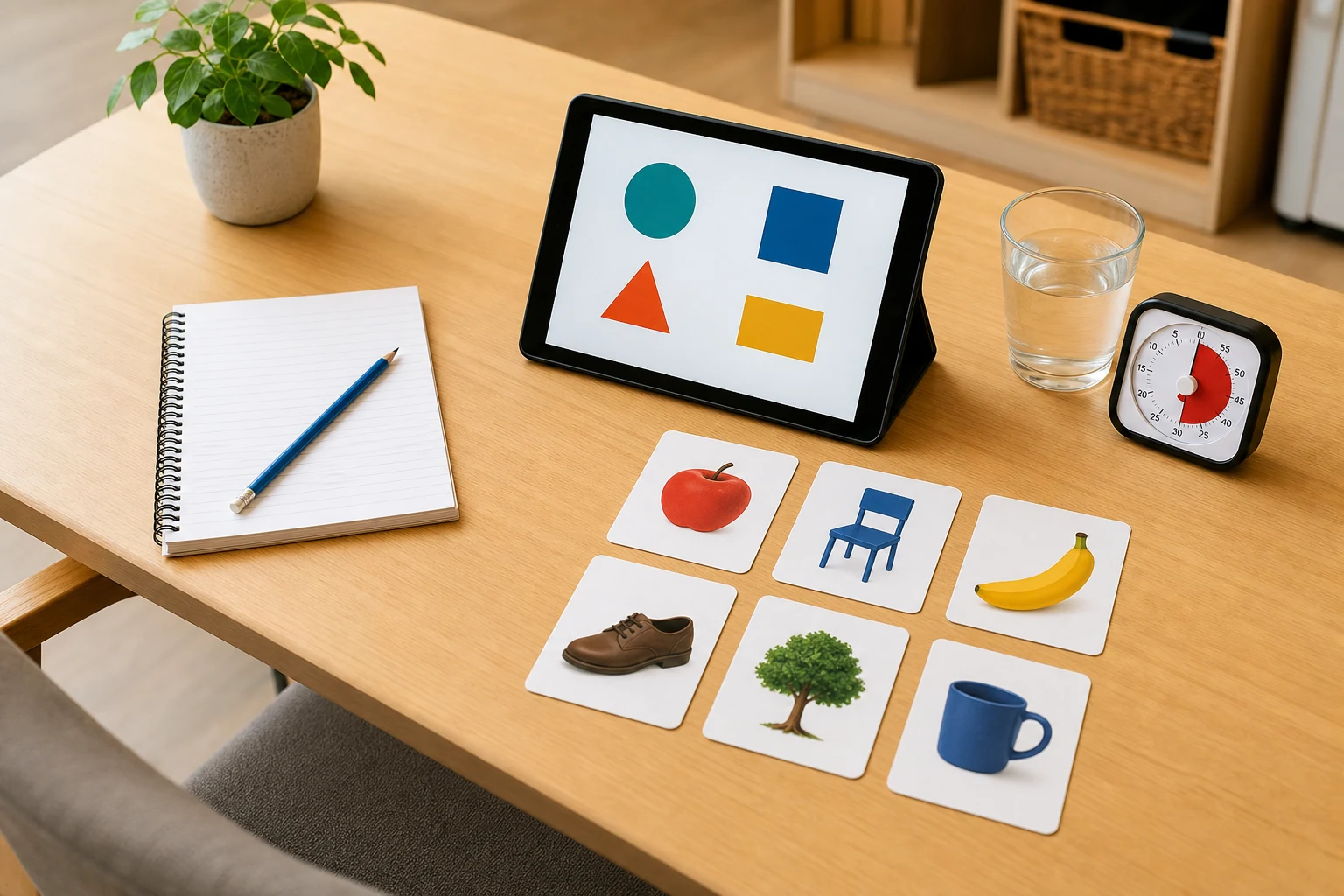
A Practical Checklist Before You Trust the Result
Use this checklist to evaluate any aphasia cognitive impairment test online free or paid.
- Does the test explain whether it is measuring language, cognition, or both?
- Are instructions short, clear, and available in a visual or repeated format?
- Can the person respond without relying only on speech?
- Does the score report separate domains rather than one vague total?
- Does it mention that aphasia can influence cognitive test performance?
- Does it avoid pressure and encourage professional follow-up when needed?
- Does it protect privacy and avoid unnecessary personal details?
- Can results be saved or summarized for a clinician or therapist?
If several answers are no, be cautious. The test may still be educational, but its score should not carry much weight. If several answers are yes, the tool may be useful as part of a broader picture.
For caregivers, it can help to write down observations before and after testing: fatigue, distractions, sensory issues, support provided, and moments where understanding seemed better than expression. Those notes often make the score easier to discuss.
Using an Aphasia Cognitive Impairment Analysis Test Responsibly
The most responsible use of an aphasia cognitive impairment analysis test is to create a clearer conversation. A person might say, "The memory task was hard when I had to listen, but easier when I could see the choices." A caregiver might say, "Planning is harder in noisy settings." A clinician might use those observations to choose a more targeted assessment or therapy strategy.
If you want a structured way to explore attention, memory, executive function, and related cognitive skills, CognitiveTest.me can serve as an educational cognitive assessment tool. Use it when symptoms are stable, read the explanations carefully, and pair the results with real-world notes. If aphasia is new, worsening, or connected with other neurological signs, seek qualified medical guidance promptly.

FAQ
What is the cognitive test for aphasia?
There is no single cognitive test that fits every person with aphasia. Clinicians often combine language assessment, lower-language cognitive tasks, everyday observations, and caregiver input. The best choice depends on aphasia severity, reading and listening ability, fatigue, vision, motor skills, and the clinical question being asked.
What is the 10 question cognitive test?
People may use this phrase for brief cognitive screeners, but aphasia can make short verbal question sets difficult to interpret. A person may miss an answer because of comprehension or word retrieval rather than the cognitive skill being sampled. Brief screeners should be treated as preliminary information and reviewed in context.
What are the warning signs of aphasia?
Possible warning signs include sudden trouble speaking, understanding speech, finding words, reading, writing, repeating phrases, or following instructions. Sudden language changes can be urgent, especially with weakness, facial droop, confusion, severe headache, vision changes, or balance problems. Seek emergency help when symptoms appear suddenly.
What is the best test for aphasia?
The best test depends on the purpose. Aphasia screening tools focus on language areas such as comprehension, expression, reading, and writing. Broader cognitive assessment may need separate tasks with reduced language demands. A speech-language pathologist or neuropsychology team can choose tools that match the person's communication profile.
Can an online test separate aphasia from cognitive impairment?
Not by itself. Online testing can support education, pattern tracking, and preparation for a professional conversation. Separating language impairment from broader cognitive impairment usually requires clinical context, language-aware task selection, and careful interpretation.
How should caregivers use online cognitive results?
Caregivers can use results as a conversation aid. Save the score summary, note which tasks were confusing, record fatigue or distraction, and compare the result with everyday function. Bring those notes to a clinician instead of treating the score as a final answer.
Is a low cognitive score always a sign of cognitive impairment in aphasia?
No. A low score may reflect language demands, fatigue, hearing, vision, motor response difficulty, unfamiliar technology, anxiety, or the cognitive domain being tested. The pattern of strengths and challenges is more meaningful than one score.