Brain Health Test Guide for Brain Care Scores and Cognitive Screens
A brain health test can mean several different things: a lifestyle score, a memory questionnaire, an online cognitive screen, a blood test ordered by a clinician, or a full neuropsychological evaluation. That makes search results confusing. One page may discuss the Brain Care Score, while another offers a short quiz or a memory check. The useful question is not "Which test is perfect?" but "What kind of information do I need right now?" If you want a structured way to reflect on attention, memory, processing, and other cognitive skills, an online cognitive assessment can be one helpful starting point. It should be used for education and self-understanding, not as a medical verdict.
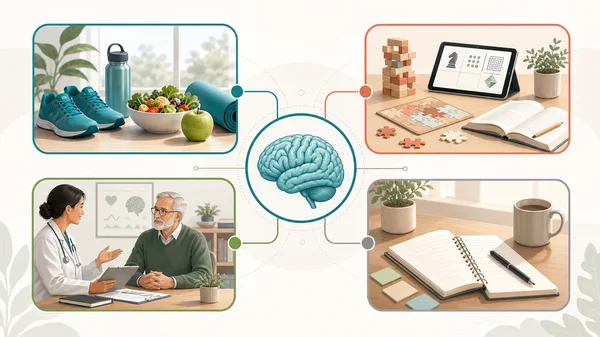
What a Brain Health Test Is Really Trying to Measure
Brain health is broader than memory. It includes how well you learn, focus, plan, process information, solve problems, regulate habits, sleep, move, connect socially, and manage risk factors that affect the brain over time. Because the concept is broad, different brain health tests measure different layers.
A lifestyle-based score asks about factors that support long-term brain care. A cognitive screen asks how your thinking skills perform on specific tasks. A medical workup may include physical exams, lab tests, imaging, and a clinician's judgment. A short quiz may simply organize your habits or symptoms into next-step suggestions.
That is why a "brain health score test" should be read through its purpose. Does it measure daily habits, cognitive performance, medical risk, or a combination? Does it give educational feedback, or does it claim to identify a condition? Is it meant for self-reflection, a conversation with a healthcare professional, or formal clinical care?
The safest approach is to treat any single result as one piece of context. A score can help you notice patterns and ask better questions. It cannot summarize your whole brain, your future risk, or the reason behind a change in memory or focus.
Brain Care Score vs Cognitive Screen vs Medical Test
Many people searching for a brain health test are actually comparing three very different categories. The table below shows how to separate them before you choose one.
| Test type | What it usually looks at | Best use | Main limitation |
|---|---|---|---|
| Brain Care Score or lifestyle score | Blood pressure, sleep, exercise, nutrition, smoking, alcohol, stress, relationships, purpose | Identifying modifiable brain-care habits | It does not directly measure task-based cognition |
| Online cognitive screen | Attention, memory, processing speed, executive function, perception, reasoning | Building a cognitive baseline and seeing strengths or challenges | It is not a full clinical evaluation |
| Medical test or clinical workup | Health history, neurological exam, lab markers, imaging, formal assessment | Investigating symptoms or medical concerns | It requires professional interpretation |
| Short questionnaire or quiz | Self-reported habits, concerns, or memory changes | Organizing reflection and next steps | It depends on honest self-reporting |
The McCance Brain Care Score, for example, is commonly discussed as a 21-point brain-care framework with physical, lifestyle, and social-emotional domains. It is valuable because it turns broad prevention ideas into trackable categories. But it is not the same as testing memory, attention, or executive function through performance tasks.
A cognitive screen answers a different question. Instead of asking whether you sleep enough or manage blood pressure, it looks at how you perform on carefully designed tasks. This is where a structured cognitive screening platform may fit: it can help you understand cognitive skills in a more direct, task-based way while keeping the result educational.
Medical testing is different again. Blood tests, neurological exams, or imaging may be appropriate when a person has symptoms, risk factors, medication questions, sudden changes, or family concerns. Those decisions belong in a healthcare setting.
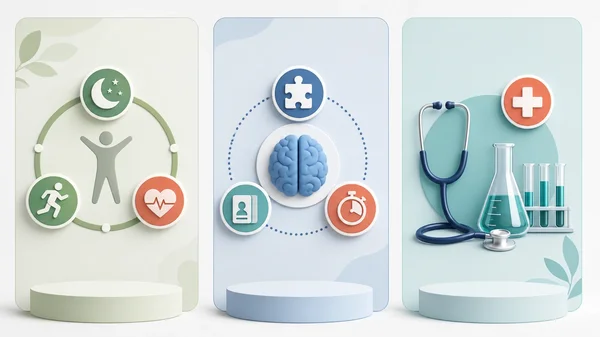
How to Test Brain Health at Home Without Overreading the Result
At-home brain health testing works best when the goal is awareness, not certainty. You can gather useful clues without turning every slip of memory into an alarm.
Start with a calm baseline. Choose a normal day, use a quiet space, and avoid testing when you are unusually tired, ill, rushed, or distracted. If a tool measures cognitive performance, try to take it under similar conditions each time. That makes repeat results easier to compare.
Then write down context. Sleep, stress, medications, pain, alcohol, illness, screen fatigue, and major life events can all affect focus and memory. A score without context is easy to misread. A simple note such as "slept five hours" or "tested after a long workday" may explain more than the score alone.
Next, separate habits from performance. A Brain Care Score chart or lifestyle checklist can show where to improve daily routines. A cognitive screen can show how you handled attention, working memory, reasoning, or processing tasks. They complement each other, but they do not replace each other.
Finally, look for patterns over time. One lower-than-expected result may reflect a bad testing day. Repeated changes, changes that affect daily life, or concerns noticed by people close to you deserve a professional conversation. At-home tools are most useful when they help you communicate clearly, not when they make the final call.
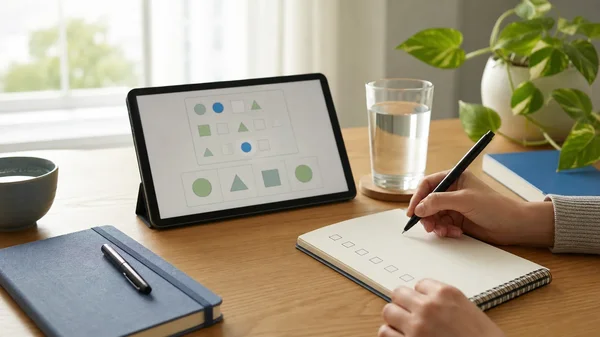
What Makes a Free Brain Health Test Useful
A free brain health test can be worthwhile when it is transparent about what it measures and what it cannot tell you. Before relying on any result, check for a few quality signals.
First, the tool should explain its purpose in plain language. A quiz about habits should not pretend to be a cognitive performance test. A cognitive screen should name the skills it assesses. A medical questionnaire should encourage professional follow-up when appropriate.
Second, the questions or tasks should match your intent. If you want to understand brain-care habits, look for domains such as sleep, movement, nutrition, stress, social connection, and cardiovascular risk factors. If you want to understand mental performance, look for tasks related to memory, attention, processing speed, executive functions, language, or visual reasoning.
Third, the result should be interpretable. A number without explanation is less helpful than a score paired with strengths, possible challenges, limitations, and practical next steps. Watch for tools that use dramatic language, pressure tactics, or absolute claims.
Fourth, privacy matters. Brain health information can feel personal even when it is not part of a medical record. Look for clear statements about what is collected, what is stored, whether results are shared, and whether you can use the tool without unnecessary personal details.
A useful free test should leave you more informed and less confused. If the result makes you feel frightened, labeled, or pushed toward a single urgent action, the tool may not be serving an educational purpose well.
How to Interpret a Brain Health Score
Interpretation starts with the score type. A Brain Care Score interpretation is mostly about modifiable lifestyle and health domains. A cognitive score interpretation is about performance on specific thinking tasks. A questionnaire result may identify topics to discuss or resources to review.
For lifestyle scores, ask: Which categories are strong? Which categories are realistic to improve? Which changes require medical input, such as blood pressure, cholesterol, diabetes risk, medication, or sleep disorders? The most useful result is often not the total score, but the next small, sustainable habit.
For cognitive screens, ask: Which skills were assessed? Was the result compared with age-related norms or only with your own past performance? Did the report explain uncertainty and testing conditions? Did it show a broad profile, or only one memory score?
For questionnaires, ask: Are the questions about symptoms, habits, caregiving concerns, or risk factors? Did the result give resources, next steps, or conversation prompts? Self-report tools can be helpful, but they are affected by mood, insight, stress, and how the questions are phrased.
Most importantly, avoid reading a brain health score as a label. Strong scores do not make you immune to future change. Lower scores do not define your ability or your health. The value is in the pattern: what you can learn, what you can track, and when it would be wise to ask for help.
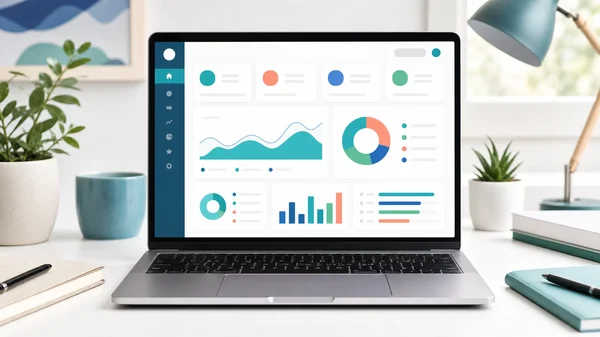
Common Tests People Confuse With Brain Health Testing
Searchers often find terms that sound similar but answer different questions. A blood test for brain health may be part of a broader medical evaluation, especially when a clinician is checking vitamin levels, thyroid function, inflammation, infection, metabolic issues, or disease-related biomarkers. It is not the same as a general online brain health test.
A smell test may be used in certain research or clinical contexts because smell changes can be associated with neurological conditions. It should not be treated as a stand-alone answer about brain health.
Genetic testing can describe inherited risk for some conditions, but risk is not destiny. A genetic result usually needs counseling or professional interpretation, especially when it could affect family members.
Brain games and color tests are another source of confusion. They may be engaging, and some tasks can challenge attention or reaction speed, but entertainment-based tasks are not automatically comprehensive cognitive assessments.
The best filter is simple: What does this test actually measure, and who is qualified to interpret it? If the answer is vague, be cautious.
Use Your Results as a Brain Health Starting Point
The most helpful brain health test is the one that leads to a better next question. If your lifestyle score highlights sleep, movement, stress, or social connection, choose one small habit to review. If a cognitive screen shows uneven performance, consider whether fatigue, anxiety, distraction, or unfamiliar tasks affected the result. If you or someone close to you notices meaningful changes in daily memory, language, judgment, mood, or independence, bring those observations to a qualified professional.
You can also use testing as a baseline. Repeat the same type of assessment under similar conditions, keep notes about context, and look for trends rather than isolated numbers. For people who want a broader view of cognitive skills, it can be useful to review a cognitive test that explains multiple domains and keeps its feedback informational.
Brain health is not one score. It is a living picture made from habits, body health, cognitive performance, environment, relationships, and time. A thoughtful test can help you see that picture more clearly, as long as you keep the result in proportion.
FAQ
What is the best brain health test online?
The best option depends on your goal. Use a lifestyle score if you want to review habits and modifiable risk factors. Use a cognitive screen if you want task-based insight into memory, attention, processing, or executive function. Use professional care if you have symptoms, sudden changes, or medical concerns.
Is the Brain Care Score a cognitive test?
Not exactly. The Brain Care Score is better understood as a brain-care and lifestyle framework. It reviews domains such as physical health, lifestyle habits, and social-emotional factors. A cognitive test measures performance on tasks related to thinking skills.
Can I test my brain health at home for free?
You can use free questionnaires, lifestyle checklists, and some online cognitive screens at home. They can support reflection and help you prepare questions. They should not be treated as a final answer about medical causes or future risk.
What should I do with a low brain health score?
First, check what kind of score it is. If it is a lifestyle score, look for one realistic area to improve. If it is a cognitive score, review testing conditions and consider repeating it under calmer circumstances. If concerns affect daily life, discuss them with a healthcare professional.
Are blood tests for brain health the same as online tests?
No. Blood tests are medical tools that may help clinicians investigate health factors or biomarkers. Online tests usually measure habits, self-reported concerns, or cognitive task performance. They serve different purposes and require different interpretation.
How often should I repeat a brain health test?
For personal tracking, repeat testing only often enough to see meaningful patterns, not daily fluctuations. Many people find occasional baseline checks more useful than frequent retesting. Use similar conditions each time and note sleep, stress, illness, and other context.